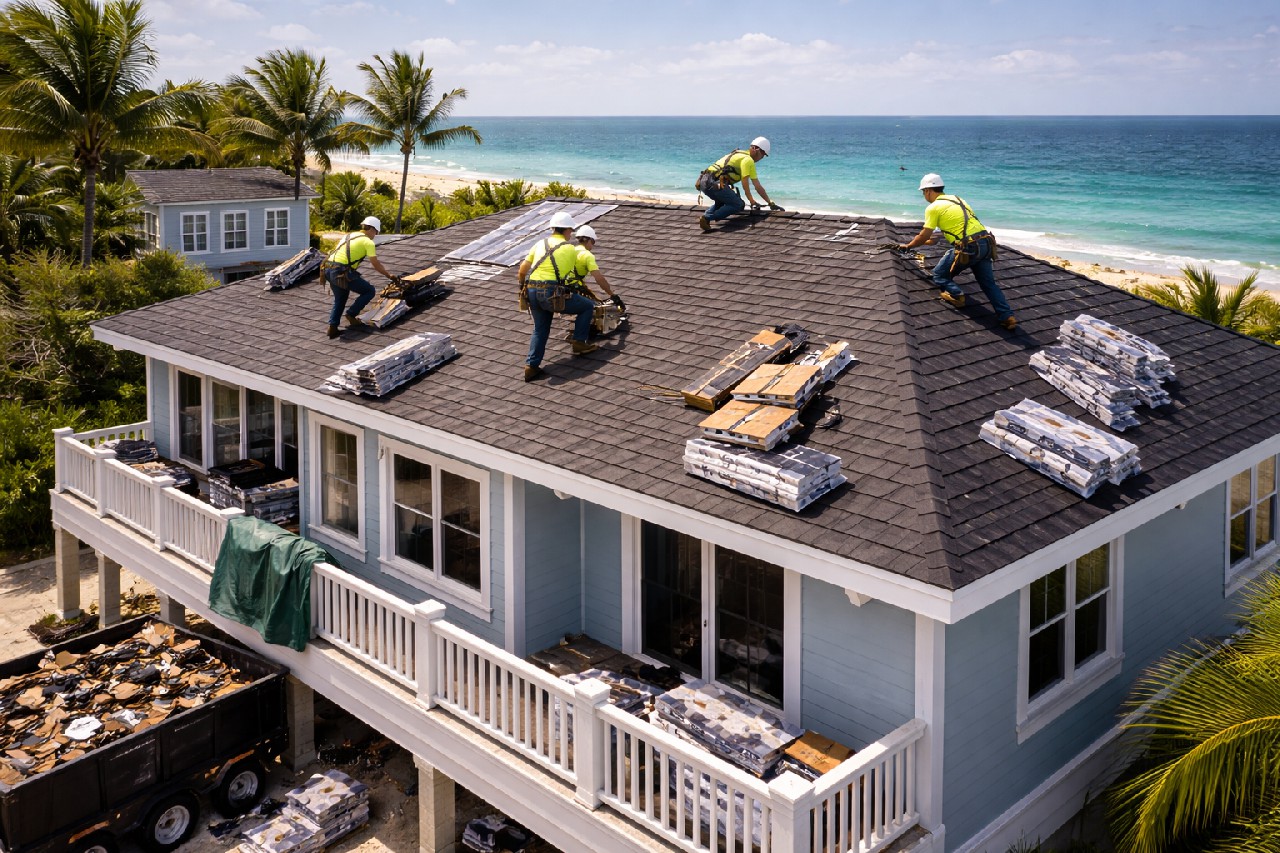


⚡ TL;DR: This guide helps San Antonio homeowners avoid common roof maintenance pitfalls like hail damage, heat-induced shingle issues, gutter neglect, and DIY errors to prevent costly repairs.
📋 What You’ll Learn
In this guide to avoiding roof maintenance pitfalls in San Antonio, TX, you’ll uncover strategies to tackle hail damage, heat stress, gutter issues, and DIY errors for a durable roof.
- Spot hail damage early in San Antonio storms by identifying bruising, granule loss, and cracks before they lead to leaks, escalation, and expensive full replacements.
- Combat shingle cracking from heat with tips on preventing curling and degradation in Texas summers, extending roof life through proper ventilation and timely interventions.
- Avoid gutter neglect dangers amid sudden downpours by recognizing clogs that cause water damage, rot, and foundation issues, plus easy maintenance routines.
- Dodge DIY disasters and inspection skips via common pitfalls, pro checklists, and a local case study showing how oversight nearly caused roof collapse.
📖 Reading time: 7 min
✍️ Author expertise: San Antonio roofer with 20 years of field experience in storm repairs and heat-related maintenance.
That brutal hailstorm last spring in San Antonio? It turned solid roofs into sieves overnight, dumping water damage and five-figure repair tabs on families who thought they were covered.
You're not invincible here in the Alamo City, where scorching summers bake shingles brittle and sudden downpours test every seam. One wrong move in roof maintenance, and you're footing the bill for a full replacement.
But you can sidestep those costly traps with a few smart moves tailored to our Texas weather. Keep reading to spot the pitfalls hitting San Antonio roofs hardest right now.
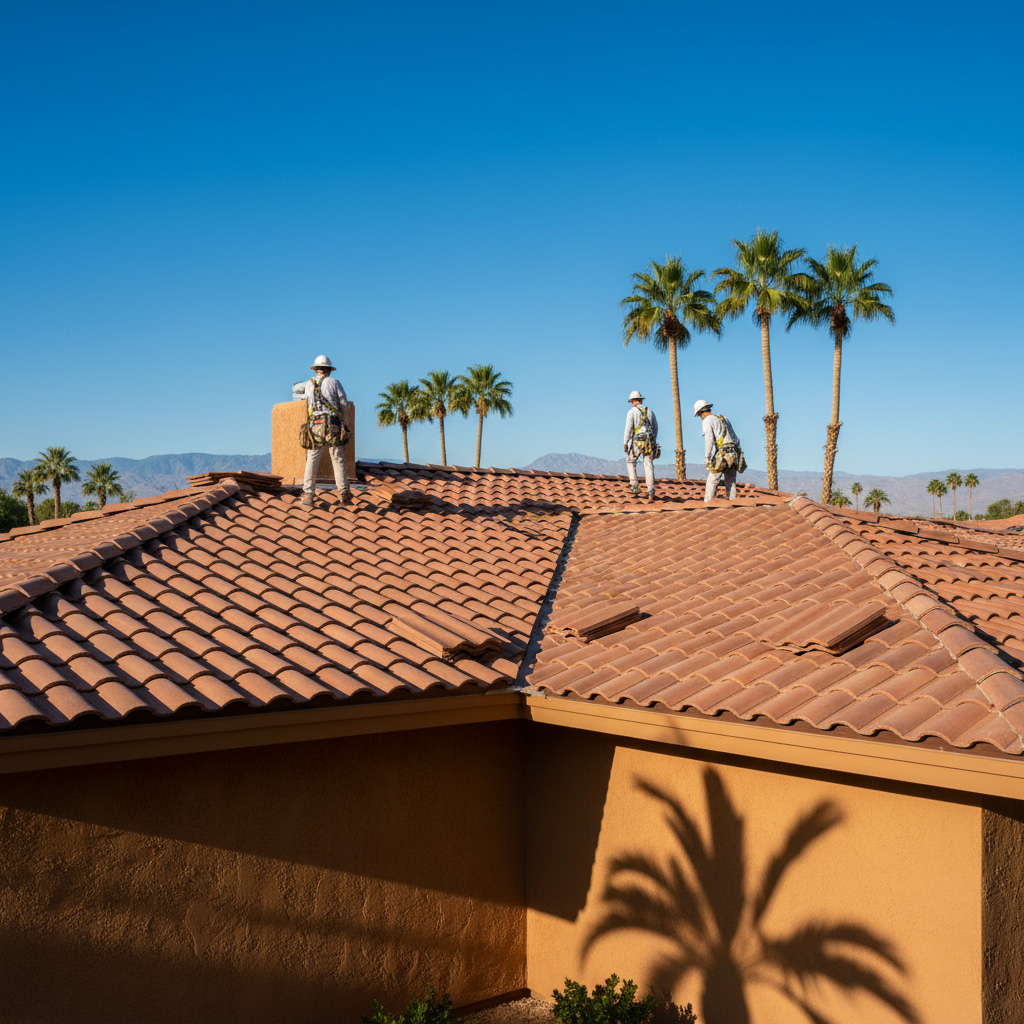
Spotting Hail Damage Before It Escalates in San Antonio Storms
San Antonio's hail hits like a freight train. Those golf-ball-sized chunks from last year's storms punched holes through shingles across the city. Catch it early, and you save thousands before leaks turn your attic into a swamp.
Walk your roof after any big storm. Look for these dead giveaways that scream hail damage.
- Bruised or granulated shingles: Fresh hail strips off the protective coating, leaving dark spots.
- Dents on vents or AC units: Metal bends before shingles show cracks.
- Random shingle cracks: Like spiderwebs forming under pressure.
Grab a ladder and binoculars if you're not climbing up. Snap photos for your insurance claim. Call a local inspector pronto, because San Antonio hail waits for no one, and small pits grow into full-blown disasters fast.
Battling Scorching Heat: Avoid Shingle Cracking and Curling
San Antonio summers hit like a furnace blast. Temps soar past 100 degrees, turning asphalt shingles into brittle crackers. One season of that relentless bake, and you see edges curling up or cracks spiderwebbing across the surface.
Spot the warning signs early. Look for buckling ridges or granules piling up in your gutters - that's your roof shedding its protective skin. Ignore them, and leaks follow fast.
- Curling shingles lift at corners, inviting wind damage.
- Cracks let heat escape inefficiently, hiking your AC bills.
- Granule loss means zero UV protection left.
Fight back with smart upgrades. Install ridge vents and soffit vents for killer airflow - it drops attic temps 30 degrees easy. Go for impact-resistant shingles rated for Texas scorch; they flex instead of snap.
Check your roof twice a year, right after those heat waves. A quick pro inspection catches cracks before they turn into cash pits.

Gutter Neglect: The Hidden Danger in Sudden Texas Downpours
San Antonio's flash floods hit like a freight train. One minute it's dry as a bone. Next, gutters clogged with oak leaves and debris turn your roof into a waterfall.
Water backs up under shingles. Rot sets in fast. Before you know it, your ceiling's dripping and mold's creeping into walls.
Spot These Red Flags Now
- Overflowing gutters during light rain.
- Sagging or pulling away from the roofline.
- Stains or soft spots on your fascia boards.
Ignore them, and a single downpour erodes your foundation. We're talking thousands in water damage. Clean quarterly here - or call pros before the next gully washer.
Pro tip: Install gutter guards suited for Texas debris. They pay for themselves by dodging disasters. Simple fix, huge payoff.
DIY Disasters: Common Roof Repair Mistakes to Steer Clear Of
Picture this: You're up on your roof with a hammer and some sealant, feeling like a hero. One slip, and you're in the ER with a busted leg, plus a roof that's worse off than before.
Homeowners tackle leaks or missing shingles themselves to save cash. But most botch it bad, turning small fixes into total catastrophes.
Top DIY Blunders That'll Cost You Big
- Skipping safety gear: No harness? One gust from a San Antonio thunderstorm, and you're tumbling. Pros use ropes and ladders rated for the job.
- Wrong sealants on hot shingles: That cheap tube from the hardware store melts in Texas heat, letting water right back in.
- Ignoring the root cause: Patching a leak without checking for rot underneath? Water keeps winning.
- Over-nailing shingles: Too many nails pop heads in the sun, creating fresh holes for rain to exploit.
These slip-ups happen daily around here. Call in a pro before your ladder adventure turns into a money pit.
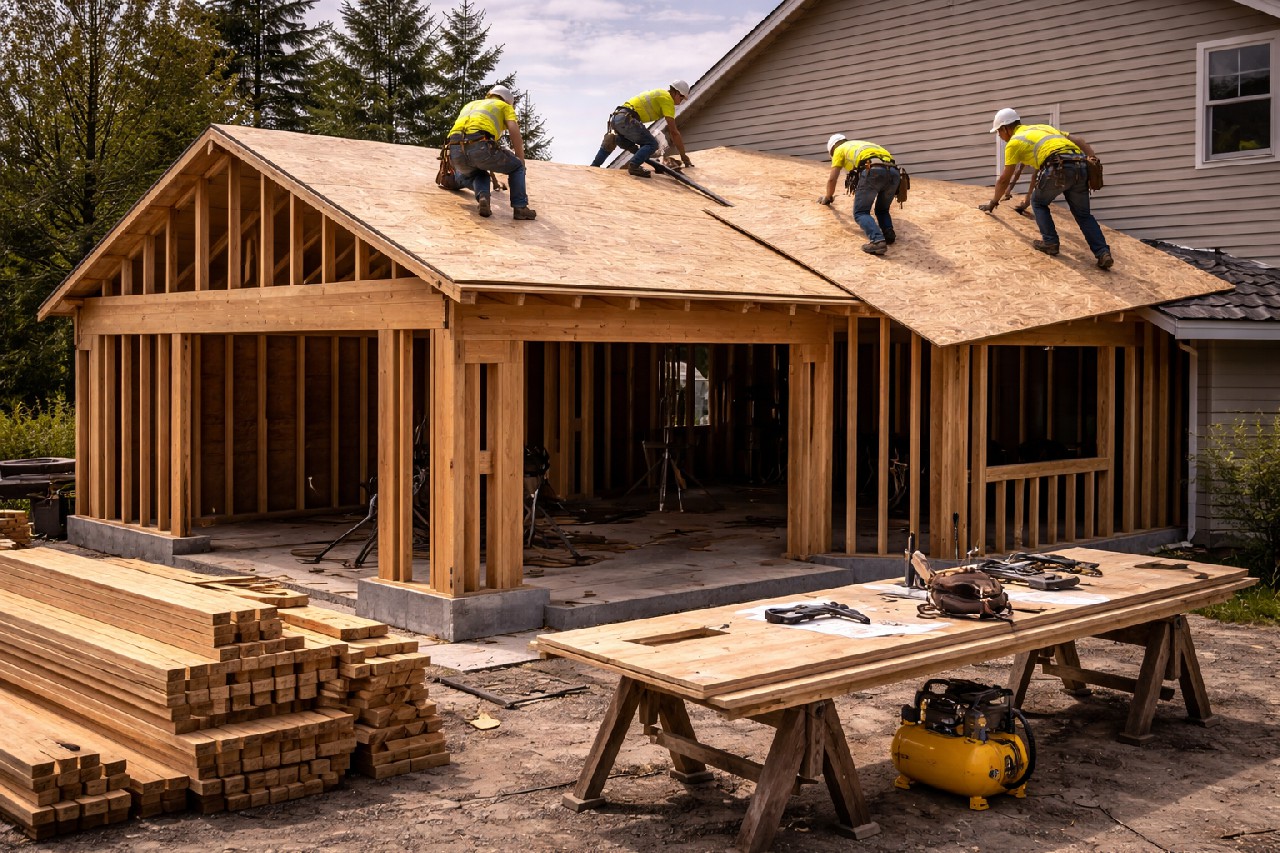
Inspection Oversights: Why Skipping Checks Costs Thousands
San Antonio's wild weather swings sneak up on roofs fast. Skip a single inspection after that hail pummeling or heat wave, and a tiny crack turns into a gaping hole. Homeowners here lose thousands yearly because they wait too long.
Red Flags You Might Miss Without Pro Eyes
Amateurs overlook subtle damage that pros catch every time. Think loose granules in your gutters or soft spots underfoot. These scream trouble but look harmless at a glance.
- Missing shingles: Wind rips them off; water sneaks in next storm.
- Discolored patches: Algae or moisture trapped, rotting your decking.
- Flashing gaps around chimneys: Leaks waiting to flood your attic.
One overlooked inspection led to a $15K surprise for a local family last summer. Pros spot issues early, saving you from emergency calls. Schedule yours now before the next downpour hits.
Case Study: Rescuing a Local San Antonio Roof from Imminent Collapse
Meet Maria in the Stone Oak area. Her 15-year-old roof had taken a beating from last year's hail and our relentless summer heat. She noticed sagging spots and leaks after a heavy rain, but ignored them until water poured into her kitchen.
The Wake-Up Call
One frantic call to our team. We showed up fast. Her shingles were curling bad from the heat, and clogged gutters had rotted the fascia boards.
- Hail dents weakened the underlayment.
- Water pooled everywhere, pushing the decking toward collapse.
- One more storm, and the whole thing could've caved.
Inspection took two hours. We spotted cracks in the ridge vent and missing granules everywhere. Total damage? A ticking time bomb.
The Fix That Saved Her Home
We stripped the bad sections first. Reinforced the structure with new plywood sheathing. Installed impact-resistant shingles built for San Antonio storms.
Cleaned and upgraded those gutters to handle Texas torrents. Cost her way less than a full tear-off. Now her roof stands strong. No more worries about the next hail barrage.
Final Thoughts
San Antonio's weather doesn't pull punches. Hail, heat, and floods hit hard, but spotting damage early keeps your roof standing strong.
Skip the DIY traps. Call in pros who know Texas roofs inside out. One inspection now beats a total teardown later.
Grab more tips in our Roof Maintenance guides. Act fast - your wallet will thank you.
- Schedule that check today.
- Watch for curling edges after heat waves.
- Don't wait for leaks to roar.
Stay ahead of the storm. Your home deserves it.
People Also Ask
How can I spot hail damage on my San Antonio roof early?
Hail damage often appears as dents, cracks, or granule loss on shingles, especially after San Antonio's frequent spring storms. Look for bruised areas or dark spots where impact has occurred, and check for loose granules in your gutters. Early detection prevents escalation, so schedule a professional inspection from a local roofing expert to avoid costly repairs.
What causes roof shingles to crack or curl in Texas heat?
Scorching San Antonio summers cause shingles to expand and contract, leading to cracking and curling if they're old or low-quality. Poor ventilation traps heat, accelerating this degradation. Regular maintenance and heat-resistant materials can extend your roof's life—consult a San Antonio roofer for upgrades.
Why do neglected gutters damage roofs during Texas downpours?
Clogged gutters in San Antonio cause water to overflow, rotting fascia boards and seeping under shingles during sudden heavy rains. This hidden issue leads to leaks, mold, and structural damage over time. Clean gutters seasonally and ensure proper installation to protect your roof investment.
What are the biggest DIY roof repair mistakes to avoid in San Antonio?
Common pitfalls include using incorrect materials that don't match San Antonio's climate, improper sealing leading to leaks, and ignoring safety protocols on steep roofs. DIY attempts often worsen damage, voiding warranties. Always hire certified local roofers for reliable, long-lasting fixes.
How often should I inspect my roof in San Antonio to avoid pitfalls?
Inspect your roof at least twice yearly—spring and fall—to catch issues from storms and heat before they escalate. After major weather events, check immediately for damage. Professional annual inspections save thousands by preventing small problems from becoming roof replacements.

San Antonio Roofing provides expert roofing services with years of experience in the San Antonio area. The team specializes in installations and repairs suited to local homes and businesses. Committed to the San Antonio community, they deliver reliable craftsmanship.
Need Roofing?
Fast roof repairs and replacements in San Antonio, TX and nearby areas (78201, 78209, 78216, 78229, 78258) deliver leak-proof protection against storms and weather.
Get Roof Quote