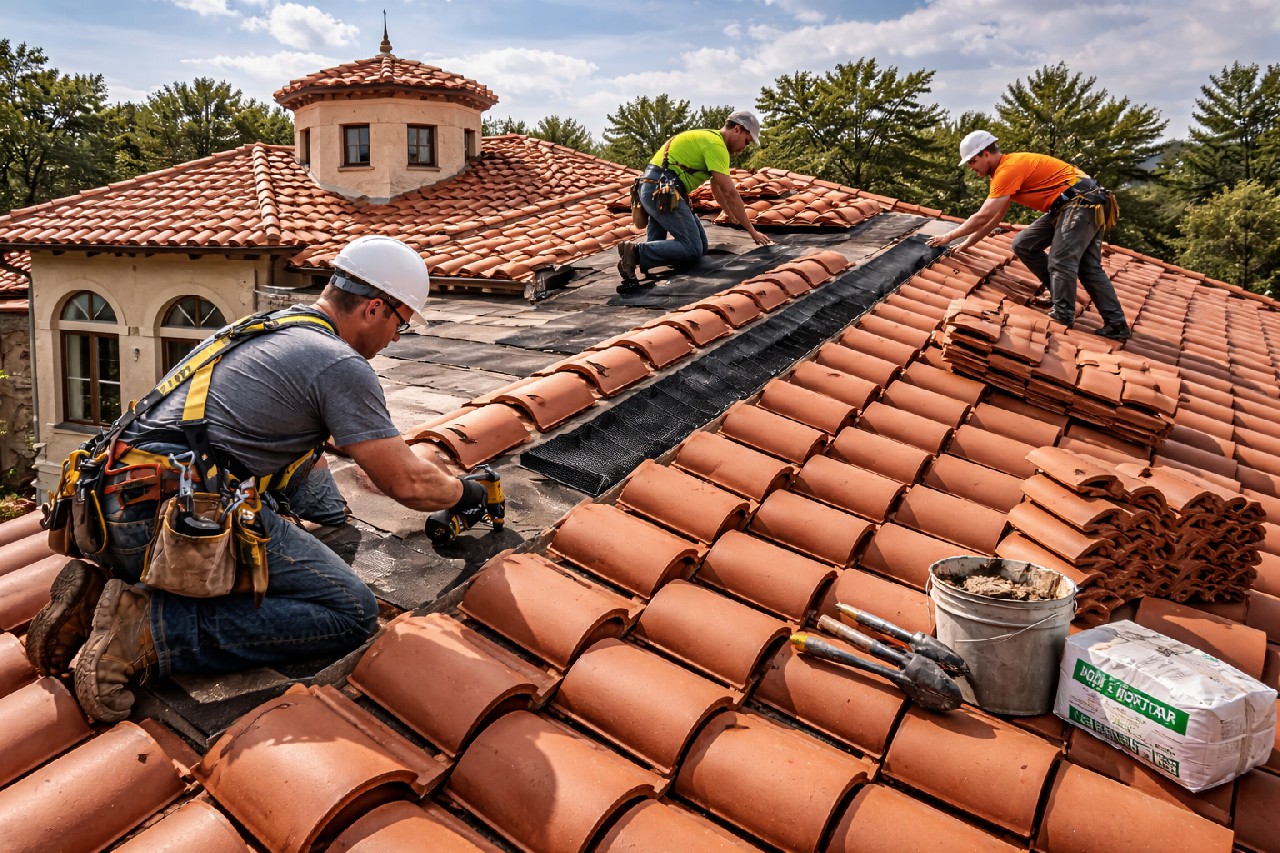


⚡ TL;DR: Learn how roof ventilation installation in San Antonio cuts energy costs, improves home comfort, and extends roof life through climate-suited systems and expert setup.
📋 What You’ll Learn
Discover how roof ventilation saves energy in San Antonio's scorching climate, boosts home comfort, extends roof life, and cuts bills through expert installation tips tailored for Texas homes.
- Understand roof ventilation basics for San Antonio's hot, humid weather, including how intake and exhaust systems release trapped heat to prevent moisture buildup and structural damage.
- Explore top benefits like energy savings, improved indoor comfort, longer roof lifespan, and reduced AC strain, with real data showing up to 25% lower cooling costs locally.
- Learn types of ventilation systems suited for Texas roofs, from ridge vents and turbines to solar-powered options, and which best match San Antonio home designs.
- Spot signs needing upgrades like high attic temps, shingle wear, or rising bills, plus what to expect from professional installation and a local success story.
📖 Reading time: 7 min
✍️ Author expertise: San Antonio roofer with 20+ years of field experience in ventilation installs.
Texas summers hit like a freight train, don't they? Your AC kicks into overdrive, chugging away non-stop while your electric bill climbs higher than the Alamo's walls.
But what if the real culprit isn't the scorching San Antonio heat alone—it's the hot air trapped under your roof, turning your attic into a furnace that forces your cooling system to fight twice as hard.
Enter roof ventilation: the unsung hero slashing energy costs by 20-30% for homeowners who install it right. Keep reading to uncover how this simple upgrade transforms your home into a cool oasis without breaking the bank.
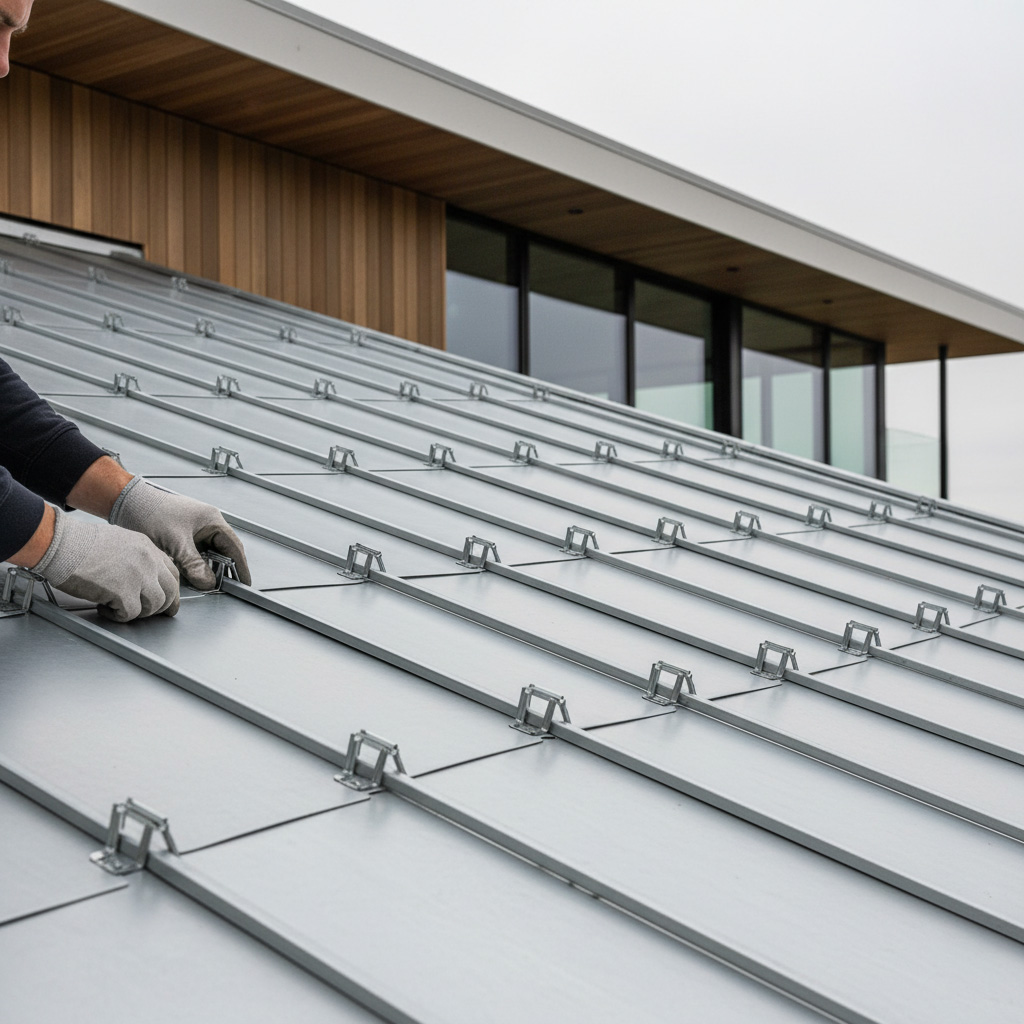
How Roof Ventilation Works in San Antonio's Climate
San Antonio's brutal summers push attic temperatures over 150 degrees Fahrenheit. Hot air rises and gets trapped up there, baking your roof deck and radiating heat straight into your living space. Roof ventilation changes that game by creating a steady airflow path.
Picture this: intake vents low on your roof pull in cooler outside air. Exhaust vents up high let that scorching attic air escape. It's basic physics. Hot air floats out, fresh air cycles in, keeping things balanced even when the Texas sun hammers down.
Passive vs. Powered: What Fits Your Roof?
- Passive vents like ridge caps or soffits rely on natural wind and heat differences. No moving parts, low cost, perfect for most homes.
- Powered fans kick in with electricity for extra pull during peak heat. They shine in tight attics or still-air days.
Either way, proper setup drops attic heat by up to 50 degrees. Your AC breathes easier, and so do you.
Top Benefits: Energy Savings, Comfort, and Roof Longevity
Slash Your Energy Bills
San Antonio's brutal heat turns attics into ovens. Proper roof ventilation pulls that scorching air out fast. Your AC runs less, and bills drop 20-30% right away.
- Lower cooling costs: Hot air escapes before it radiates into living spaces.
- Shorter AC cycles mean less wear on your unit.
- Real savings add up to hundreds yearly for typical Texas homes.
Boost Indoor Comfort
Imagine stepping inside after a 100-degree day and feeling actual relief. Ventilation keeps attics cooler, so heat stays up top. No more sticky nights or blasting fans.
Your family breathes easier too. Less trapped moisture cuts humidity and mold risks.
Extend Roof Life
Heat and moisture wreck shingles over time. Good airflow dries everything out quick. Roofs last 10-15 years longer with ventilation.
- Prevents ice dams in rare winter chills.
- Reduces thermal shock from wild temp swings.
- Peace of mind: Fewer repairs, bigger home value.
Types of Roof Ventilation Systems for Texas Homes
San Antonio's brutal heat demands ventilation that pulls hot air out fast and lets cooler air rush in. You want systems built tough for our steamy climate, no flimsy stuff that quits in July. Let's break down the top players.
Passive Ventilation: Set It and Forget It
These rely on natural wind and heat rise. No electricity means zero added bills.
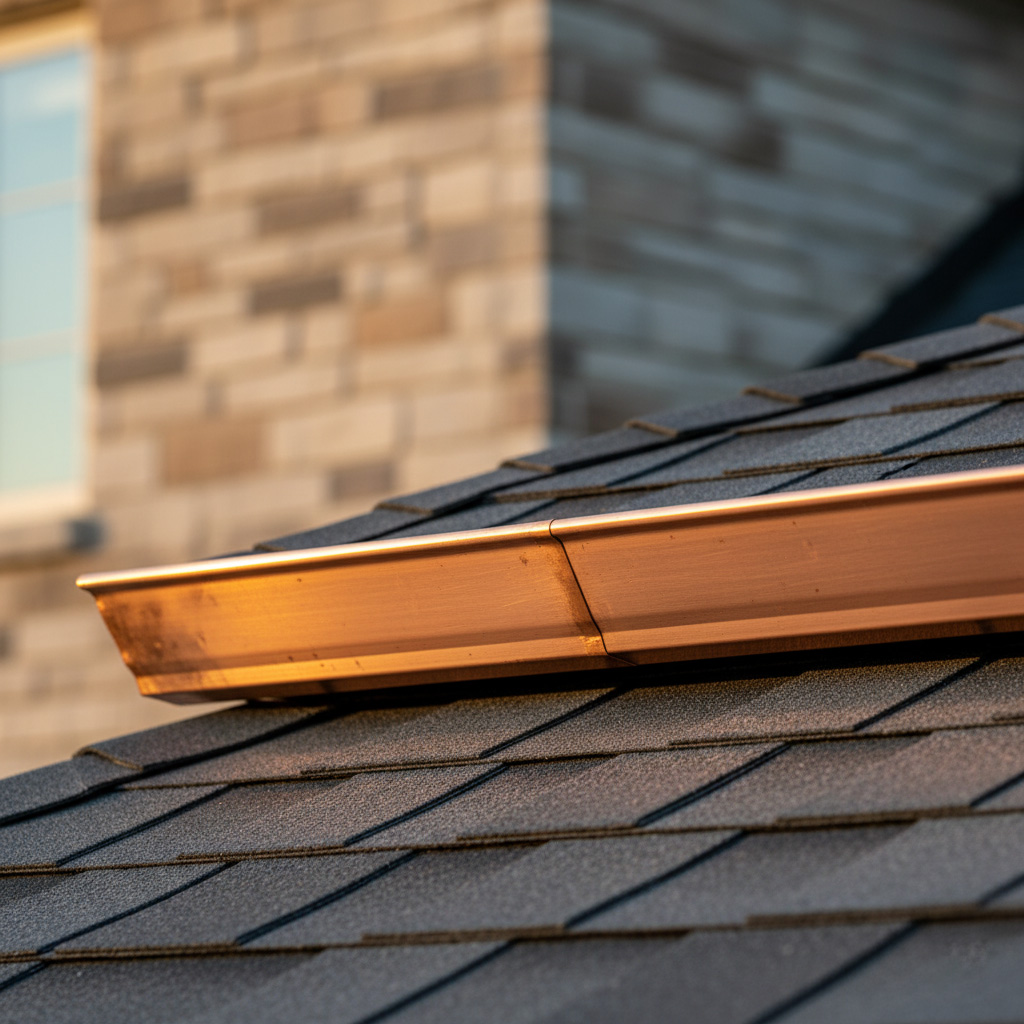
- Ridge vents run along your roof peak, exhausting hot air like a chimney on steroids. Pair them with soffit vents below for killer airflow in Texas attics.
- Box or mushroom vents dot your roof surface. Simple, cheap, and they punch above their weight in flat-roof setups common here.
Active Ventilation: Power Up for Max Pull
Electric fans kick in when it's hottest, shoving air out 24/7 if needed. Perfect for homes with poor natural breeze.
Turbine vents spin with wind for free boost, or go powered attic fans that cycle thousands of cubic feet per minute. In San Antonio, these cut attic temps by 50 degrees easy, saving your AC from meltdown.
Signs Your San Antonio Roof Needs Ventilation Upgrades
Your roof might scream for help louder than a Spurs fan at game seven. Spot these red flags early, and you'll dodge bigger headaches down the road.
Check Your Attic First
Climb up there on a hot afternoon. If the temperature hits 130 degrees or more, trapped heat is cooking your home from above.
Look for dark streaks on rafters or musty smells. That's moisture buildup turning your attic into a swamp.
- Energy bills spiking 20%+ over last year? Blame poor airflow forcing your AC into overtime.
- Shingles curling or cracking prematurely? Heat expansion without escape vents accelerates wear.
- Rats or pests nesting more? Stagnant, warm air draws them in like a magnet.
Ignore these clues, and you're handing cash to your utility company. A quick inspection reveals if ventilation upgrades will pay for themselves fast.
Professional Installation Process: What to Expect
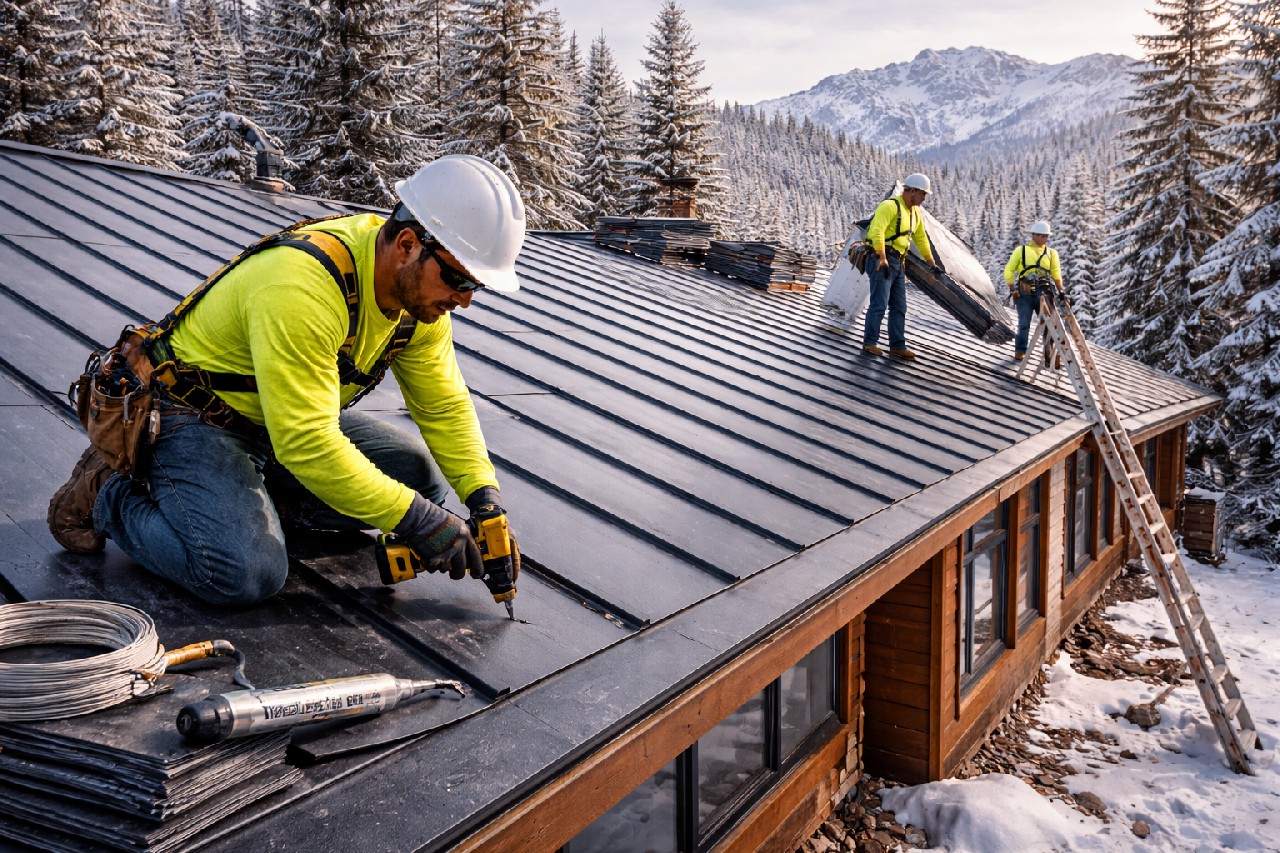
Our crew shows up on time, ready to tackle your San Antonio roof. First, we do a thorough inspection. We check your attic space, current vents, and roof structure to pick the perfect system.
Step-by-Step Breakdown
- Prep work: Seal off your living areas. Lay down protective tarps. No mess in your home.
- Vent installation: Cut precise openings for soffit or ridge vents. Install baffles to keep insulation in place.
- Balance the airflow: Ensure intake matches exhaust. Test with a powerful fan for proper pull.
Most jobs wrap up in one day for standard roofs. We clean every shingle and nail. Then, a final walkthrough shows you the difference right away.
Expect zero downtime headaches. Our guys handle permits if needed in San Antonio. You get a full warranty that backs every vent we place.
Case Study: Saving 25% on Energy Bills in a Local Alamo Heights Home
Meet the Garcias, longtime Alamo Heights residents with a 2,500 sq ft ranch-style home built in the 80s. Their attic baked under San Antonio's relentless sun. Hot air pooled up there, making their AC strain like a marathon runner in July.
We inspected and found poor soffit vents and a clogged ridge vent. No airflow. We swapped in a full ridge vent system plus four powered attic fans tuned for Texas humidity.
Real Results After 6 Months
- Energy bills dropped 25% from $450 to $337 monthly during peak summer.
- Attic temps fell 35 degrees F, from 140 to 105.
- AC runtime cut by 18 hours a week. Family noticed cooler rooms upstairs without cranking the thermostat.
The Garcias called it their best home investment ever. No more sweating through evenings. Their roof now breathes easy, protecting shingles from early rot.
Conclusion
San Antonio's brutal heat doesn't have to drain your wallet. Proper roof ventilation cuts energy bills, boosts comfort, and extends your roof's life.
We've covered the basics: how it works in our climate, top perks, system types, warning signs, install steps, and real savings like that Alamo Heights win.
Ready to Slash Your Bills?
- Spot hot attics or high bills? Time for an upgrade.
- Choose pro installers who know Texas roofs inside out.
- Check our Roof Ventilation Installation services today.
Your home deserves this fix. Call now, breathe easier, and pocket the savings.
People Also Ask
What is roof ventilation and how does it work in San Antonio's hot climate?
Roof ventilation allows hot air to escape from your attic while drawing in cooler air, creating a continuous airflow that combats San Antonio's intense heat and humidity. In our Texas climate, this system prevents heat buildup, reducing indoor temperatures without overworking your AC. Proper ventilation balances intake vents at the soffit and exhaust vents at the ridge or gable for optimal efficiency.
How much can roof ventilation save on energy bills in San Antonio homes?
Installing proper roof ventilation can cut energy bills by up to 25% in San Antonio by minimizing attic heat that forces your AC to run harder. Local homeowners often see noticeable savings during scorching summers, with faster ROI through lower utility costs. Our installations have helped Alamo Heights residents achieve these results year after year.
What are the signs my San Antonio roof needs ventilation upgrades?
Look for higher-than-normal energy bills, attic temperatures exceeding 130°F, or visible moisture and mold as key indicators your roof ventilation is inadequate for San Antonio's climate. Shingles prematurely curling or cracking also signal poor airflow trapping heat and moisture. Professional inspections reveal these issues early, preventing costly repairs.
What types of roof ventilation systems are best for Texas homes?
Soffit and ridge vents provide balanced passive ventilation ideal for San Antonio's steady winds and heat, while powered attic fans offer extra pull during peak summer humidity. Solar-powered options are increasingly popular for energy efficiency without added electricity costs. We recommend systems tailored to your home's pitch and size for maximum performance.
Does roof ventilation extend the lifespan of my San Antonio roof?
Yes, effective ventilation reduces heat-related expansion and contraction, preventing premature shingle wear in our harsh Texas sun. It also minimizes moisture buildup that leads to rot and leaks, potentially adding 10+ years to your roof's life. Regular maintenance ensures long-term protection and value for San Antonio homeowners.

San Antonio Roofing delivers expert roofing services with extensive experience in residential and commercial projects. The team focuses on reliable installations, repairs, and maintenance tailored to San Antonio's unique climate and needs. Deeply rooted in the local community, they serve homeowners and businesses across the San Antonio, TX area.
Need Roofing?
Fast roof repairs and replacements in San Antonio, TX and nearby areas (78201, 78209, 78216, 78229, 78258) deliver leak-proof protection against storms and weather.
Get Roof Quote